Ask ten people what they want from lip fillers and you will hear ten variations on the same theme. More definition without looking fake. Better symmetry in photos. Smoother lipstick lines. A little extra volume for balance. Hyaluronic acid lip filler can deliver all of that, but only when product choice, technique, and aftercare align with your anatomy and goals. As a clinician, I have learned that good lips are less about the syringe and more about judgment.
This guide walks through the brands you will see in a consultation, what they are best at, how to plan a safe lip filler treatment, and what to expect from cost to recovery. The aim is to give you enough clarity to choose the right path, whether you are searching for lip filler near me or sitting down with a trusted provider you already know.
What hyaluronic acid does in the lips
Hyaluronic acid, or HA, is a sugar molecule your body makes naturally. In fillers, it is crosslinked to form a gel. That gel attracts water and holds shape, which makes it extraordinarily useful for lip enhancement. The key variables are firmness, spread, and cohesivity. Think of a spectrum. On one end, softer gels spread easily and integrate into tissue, ideal for fine lines and subtle lip augmentation. On the other, structured gels hold form and lift, better for building body or correcting asymmetry.
Manufacturers adjust these traits with crosslinking chemistry and particle design. We describe these properties with terms like G prime for firmness and cohesivity for how well the gel sticks to itself. You do not need to memorize the jargon. You do need to know that not all hyaluronic lip injections behave the same once placed, and that brand selection should match the job at hand.
The major brands and where they shine
Approval status and names vary by country, so always confirm what is available where you live. In the United States, the following HA fillers are commonly used for lip augmentation.
Juvederm Ultra XC. A classic for building volume. It holds shape well and brings noticeable plumpness, which suits thin lips that need a visible boost. Because it is a stronger gel, placement depth and technique matter to avoid an overfilled border or a shelf. Early swelling with Juvederm Ultra XC can look dramatic for a few days, then it settles.
Juvederm Volbella XC. Softer and more flexible, Volbella is a workhorse for finesse. It does beautifully for refining the vermilion border, improving Cupid’s bow definition, and softening vertical lines around the mouth. It gives a hydrated, glossy look rather than overt size. Many of my patients who want natural lip filler prefer Volbella for their first session.
Restylane Kysse. Designed with a cohesive, elastic structure, Kysse moves well with facial expression. It builds balanced volume without feeling stiff, and it tends to hold projection nicely in the central lip tubercles. I like Kysse for patients who talk on camera or perform, since it remains expressive. Longevity often lands in the 9 to 12 month range in my practice, though that varies.
Restylane Silk. One of the first fillers approved for lips in the US, Silk is delicate. It works for feathering fine lines and crisping the border, but it can swell more in the first few days. When used in microdroplets just under the skin around the mouth, it can soften lipstick bleed lines without adding weight.
Revanesse Lips+. A smooth gel with pleasing integration. It can be a cost effective option in many clinics without sacrificing quality. In appropriately selected lips, it provides soft volume and a polished texture. Bruising may be a touch less frequent in my experience, possibly due to the gel’s flow characteristics and injection dynamics.
Other regions offer additional options, including the Teosyal RHA line. RHA 2 and RHA Kiss, for example, are engineered for dynamic areas and can look beautifully natural in motion. These are not available everywhere. Belotero Balance is widely used for fine line work and, depending on local approvals, sometimes employed in the perioral area, though it requires careful placement to avoid a bluish Tyndall effect.
The best lip filler is the one that gives you the result you want with the least risk and the most comfort. That often means a softer gel for a first time lip filler treatment, then stepping up to a slightly firmer product if you need more structure.
Matching product to the job
Different goals need different tools. Let’s break down common scenarios with practical pairings and technique notes.
Lip filler for thin lips and primary augmentation. If you are starting with a thin or flat lip, you need lift and projection along the central tubercles, not just width. Juvederm Ultra XC, Restylane Kysse, or Revanesse Lips+ can build foundational volume. I usually begin with 0.6 to 1.0 mL over one session, then reassess at two to four weeks for a subtle top up if needed. Spreading treatment over two visits reduces swelling and the risk of overshooting the aesthetic.
Lip filler for shape and definition. When shape matters more than size, I reach for Volbella, Silk, or a similar soft filler to refine the vermilion border, define Cupid’s bow, and balance asymmetry. Microthreading techniques along the border and small boluses into the philtral columns can sharpen features without bulk.
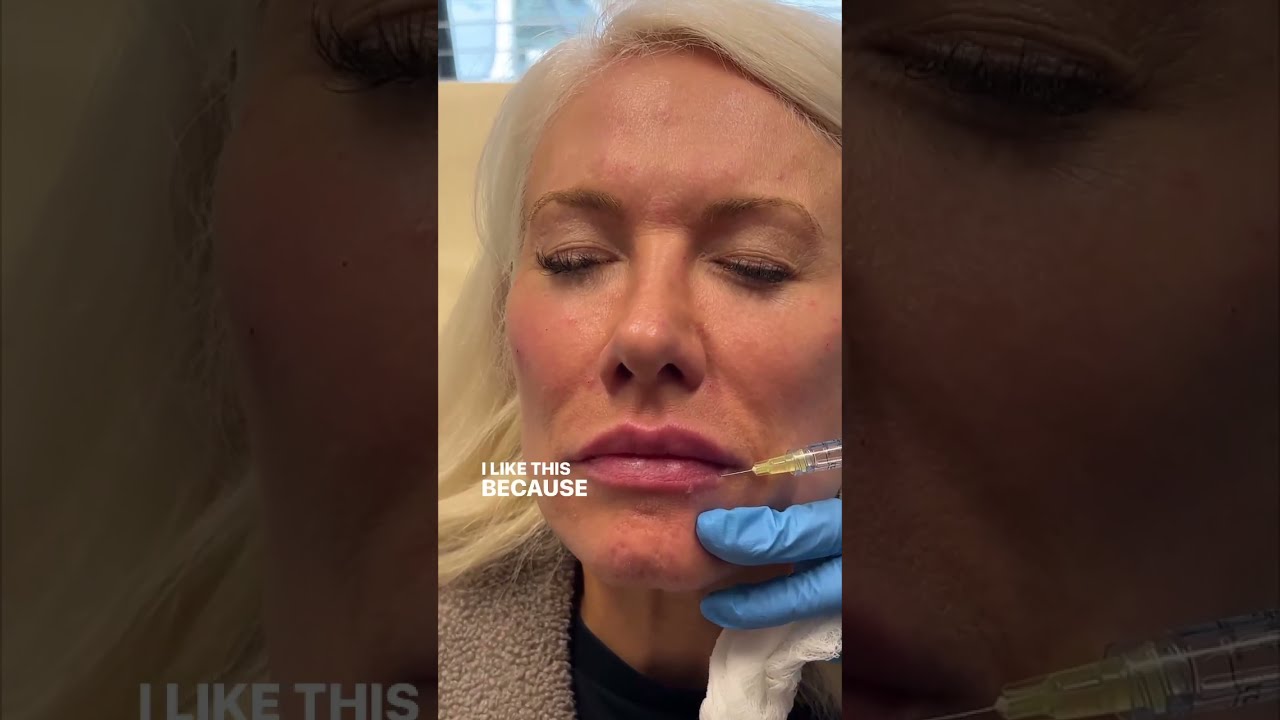
Lip filler for symmetry. True asymmetry comes from several layers, including bone, muscle, and soft tissue. Do not expect a mirror image, but fillers can improve it. I favor an elastic gel with good tissue integration to finesse height differences, and I map the lip in quadrants to avoid overcompensating one side. A cannula can help when prior scarring exists.
Lip filler for lines around lips. Treat perioral lines with skin focused passes rather than packing the vermilion. Soft HA placed very superficially can blur etched lines. For heavy smokers’ lines, I warn patients that improvement is meaningful but not total, and that we may combine HA with microneedling or light energy based resurfacing for best results.
Lip filler for volume without looking done. Subtle lip filler depends on restraint. Aim to maintain the natural ratio of the lower lip being roughly one third fuller than the upper lip, allow the corners to remain neutral without overt upturn, and protect the natural tubercle pattern. Underfill the sides. Overfilled lateral segments create the sausage effect that reads as artificial.
Technique matters more than the label
Patients often ask for a product by name because of lip filler reviews or a friend’s result. A brand helps, but technique and planning drive outcomes.
A needle offers precision for borders and Cupid’s bow. A cannula reduces needle sticks and can lower the chance of intravascular injection, although safety still demands careful aspiration and slow injection. I often blend both in one session, using a needle for fine detail and a cannula for broader volume. Microdroplet deposition, tenting in the midline, and respecting the white roll are small choices that add up to a natural lip.
Comfort is manageable. Most modern fillers contain lidocaine. Topical anesthetic and dental blocks are options for sensitive patients. A chilled room, slow pace, and steady hands matter more than bravado.
Safety, side effects, and red flags
Expect swelling, mild bruising, and tenderness. Swelling usually peaks at 24 to 72 hours, then tapers. The lips can look larger than planned during this window, so avoid making judgments too early. Bruising depends on your vessels and technique used, and tends to resolve within one to two weeks.
Less common issues include lumps, asymmetry, and the Tyndall effect if filler is placed too superficially. Most small bumps respond to gentle molding in the first few days or to a touch of hyaluronidase if they persist. Cold sores can flare after lip injections if you have a history of herpes simplex. Prophylactic antiviral medication is worth discussing before your lip filler appointment if you have frequent outbreaks.
The emergency every provider trains for is vascular occlusion. Filler can enter or compress an artery, reducing blood flow to the skin. The warning signs are sharp pain, blanching or mottled skin, and color changes that do not resolve with warmth. This can happen during or after treatment, though it is rare. Immediate evaluation is critical. The antidote for HA is hyaluronidase, which dissolves the gel. Knowing that your clinician stocks hyaluronidase, understands vascular mapping, and has a plan for complications is non negotiable.
What lip filler costs and what you are paying for
Price reflects more than the syringe. In the US, a single mL of hyaluronic acid lip filler typically ranges from about 500 to 1,400 dollars depending on market, product, and the injector’s training. Urban centers run higher. A typical first time lip injection treatment uses 0.5 to 1.0 mL. Some clinics offer half syringes for refinement, though not all manufacturers package that way, and splitting a syringe has shelf life and sterility constraints.
If you see cheap lip filler prices far below local averages, ask careful questions. Counterfeit products exist. So do high volume operations that rush appointments. That does not mean affordable lip filler is impossible, but transparency matters. You want a clinic that prioritizes safety, stocks legitimate product, and gives you a calm, unhurried experience.
How long lip fillers last and how often you need them
Most hyaluronic acid lip fillers last 6 to 12 months. Many patients notice softening around month 6, then a gradual return to baseline. Longevity depends on the product’s crosslinking, your metabolism, lip movement patterns, and lifestyle factors like vigorous exercise. I see endurance athletes metabolize filler faster. Smoker’s lips, with a lot of pursing motion, can fade a touch sooner unless you choose a slightly more resilient gel.
A reasonable maintenance plan is a touch up at 6 to 9 months. Small additions keep structure and shape without having to rebuild from scratch. If you wait until the lips are entirely back to baseline, expect to need a full syringe again.
What to expect before and after
A smart lip filler consultation starts with photos, discussion of goals, and a frank review of your anatomy. Bring reference images that speak to proportion and finish rather than celebrity faces. Your provider should map out where volume is needed, how much lip filler is appropriate, and how swelling phases will look in the first week. You should also cover your medical history, medications, supplements, and any recent procedures. Blood thinners, fish oil, high dose vitamin E, and some herbal supplements can increase bruising.
During treatment, most sessions take 15 to 30 minutes of injection time, with another 15 minutes for numbing and photos. It is common to see immediate shape change, but the final lip filler results settle at 2 weeks after swelling resolves. Good clinics schedule a short check in at that point for final polishing if needed.
Patients often ask for lip filler before and after pictures. They can be informative, but remember that lighting, angles, lip tension, and makeup affect images. Honest clinics will show a range of outcomes and explain what choices led to what results.
Selecting a provider without guesswork
If you are searching for a lip filler clinic near me, narrow the field with a few practical checks.
- Confirm medical credentials and training specific to injectables. Ask who will inject you and how often they perform lip injections. Look for a portfolio of consistent, natural results with lighting and angles that match across before and after sets. Ask about product sourcing, emergency protocols, and whether the clinic stocks hyaluronidase. Notice how the consultation feels. You should not feel rushed or pushed toward a specific lip filler package. Clarify follow up policy, touch up pricing, and how the clinic handles concerns or minor corrections.
Aftercare that actually helps
You will receive a sheet of instructions. These are the ones that consistently matter in practice and help minimize downtime.
- Ice intermittently for the first 24 hours, ten minutes on, ten minutes off, with a clean barrier to reduce swelling and bruising. Keep the head elevated the first night and avoid strenuous exercise, saunas, or hot yoga for 24 to 48 hours. Skip makeup on the lips until the next day, and avoid heavy pressure such as firm massage or dental work for 3 to 5 days. Do not pick at bruises or scabs, and avoid alcohol the first evening to limit vasodilation and bruising. Call your provider promptly for severe pain, blanching, mottled color changes, or progressive numbness.
Arnica and bromelain are commonly suggested. Evidence is mixed. If you use them, think of them as supportive rather than essential. Hydration helps overall, but drinking extra water will not make the filler last longer. Light, clean lip balm prevents cracking while the skin stretches to accommodate new volume.
The typical lip filler swelling stages are predictable. Day 1 looks puffy, day 2 often peaks, day 3 begins to settle, and by day 5 most people feel presentable without makeup tricks. A few patients carry mild firmness or tiny palpable beads for a couple of weeks as the gel integrates. If you feel a pea sized lump at two weeks, send a note and a photo. Most cases respond to guided molding in the clinic.
Lip flip, Botox, and other alternatives
Not everyone needs filler to get a prettier lip. Morristown lip enhancement A lip flip uses small doses of botulinum toxin in the upper lip to relax the orbicularis oris muscle. This allows the red part of the lip to roll out slightly. Results last around 6 to 10 weeks. It does not add volume, but it can pair well with subtle filler for patients bothered by a gummy smile or upper lip curling inward when they talk.
Surgical options exist too. A subnasal lip lift shortens the distance between the nose and the upper lip, revealing more vermilion and sharpening Cupid’s bow. It is a permanent change, best for the right anatomy and performed by a surgeon comfortable with perioral aesthetics. Fat grafting can add volume to the lips, though its predictability is lower than HA fillers and downtime is longer.
Some ask about lip filler vs Botox for lines around the lips. Small amounts of toxin can reduce pursing lines, but too much weakens function. I usually address fixed etched lines with HA microdroplets and reserve toxin for carefully chosen cases or a tiny lateral dose for a downward turn at the corners.
How much lip filler is needed
Plan to use less than you think. Half a syringe can make a precise difference in someone who already has decent shape but wants crisper borders or a small bump in projection. For thin lips, one syringe is often appropriate for the first pass, split between upper and lower. Very full lips in a single session often look swollen and feel foreign, especially for first timers. Layering small amounts over two or three visits yields a more elegant result and fewer comments from coworkers on Monday morning.
When correction or reversal makes sense
Not every result lands perfectly. If a shelf forms along the vermilion border, if lateral segments are overdone, or if a nodule persists, correction is possible. Small issues respond to targeted hyaluronidase in fractional doses. Larger reversals use higher units and may be done over multiple visits to avoid overshooting into hollowness. Allergic reactions to HA are rare. Most concerns arise from placement, product choice, or swelling artifacts that time resolves.
I advise patients to return to the same lip injection specialist for correction when possible, since they know what was placed where. If you seek a new clinic, bring all treatment details and dates. A careful provider will not pile more filler on top of a problem.
Real world examples
A 28 year old marathoner with thin lips wanted more presence without the heavy look. We placed 0.7 mL of Restylane Kysse, focused on the central tubercles and a light border polish. She iced diligently and skipped training for two days. At two weeks, we added 0.2 mL for balance. The result read as hydrated and proportionate, with her lower lip still slightly fuller than the upper. She returned at nine months for a 0.5 mL touch up. As a high metabolism patient, she prefers smaller, more frequent maintenance.
A 46 year old with etched vertical lines disliked lipstick bleed more than lip size. We used 0.5 mL of Volbella in microthreads around the mouth and tiny touches into the border. No change in width, just softer texture and better definition. She later chose a lip flip for a slight eversion of the upper lip at rest, skipping filler entirely.
A 33 year old with previous overfilling presented with lateral heaviness and a blunted Cupid’s bow. We dissolved the lateral thirds with staged hyaluronidase, waited three weeks, then rebuilt with 0.6 mL of a softer gel, keeping volume central and preserving the natural tubercles. The correction restored proportion and removed the weighted corners that had made her smile look pulled.
Booking smart, avoiding regret
If you are considering same day lip filler, build in enough time for a real consultation. Good injectors will talk you out of filler if your skin is inflamed, if you have a dental procedure scheduled within days, or if a recent viral illness raises your risk of complications. Schedule around life events. If you have a wedding or photoshoot, do your treatment at least three to four weeks ahead to allow for settling, possible touch ups, and any surprise bruising. Quick lip filler treatment is possible, but haste rarely delivers the best artistry.
Use clinic websites and independent platforms to read lip filler ratings and lip injection reviews, but weigh them alongside in person impressions. The best lip injections come from a meeting of taste. If your provider’s aesthetic in photos does not match your goals, keep looking. There are excellent lip filler experts in most cities.
Final thoughts
Hyaluronic acid lip filler is a versatile tool for lip augmentation, refinement, and line softening. Brands differ in feel and behavior, but results hinge on matching product to purpose and respecting your natural architecture. Plan your lip filler consultation like you would any important service. Ask about product, technique, safety, and follow up. Expect a few days of swelling, a two week settling period, and maintenance every 6 to 12 months. Know that dissolving lip filler is possible if you change your mind.
Done thoughtfully, lip dermal filler injections make the face read as rested and balanced rather than “done.” The best compliment my patients get is not Who did your lips, but You look refreshed. That is the bar to aim for with any lip filler provider or clinic you choose.